Local Power Resilience Pricing
Standby Generators: A Trustworthy Method for Steady Power Provision
Power backup systems serve as a vital safeguard against power interruptions. The generators work flawlessly, switching on in moments when power fails. Powered by different energy types, these systems guarantee facilities stay running during emergencies. Nevertheless, knowing their advantages and specifications is crucial to reaching an informed decision. Which factors must be reviewed before investing in this type of unit? The next segments discuss these important factors.
The Mechanics of Backup Power: How They Work
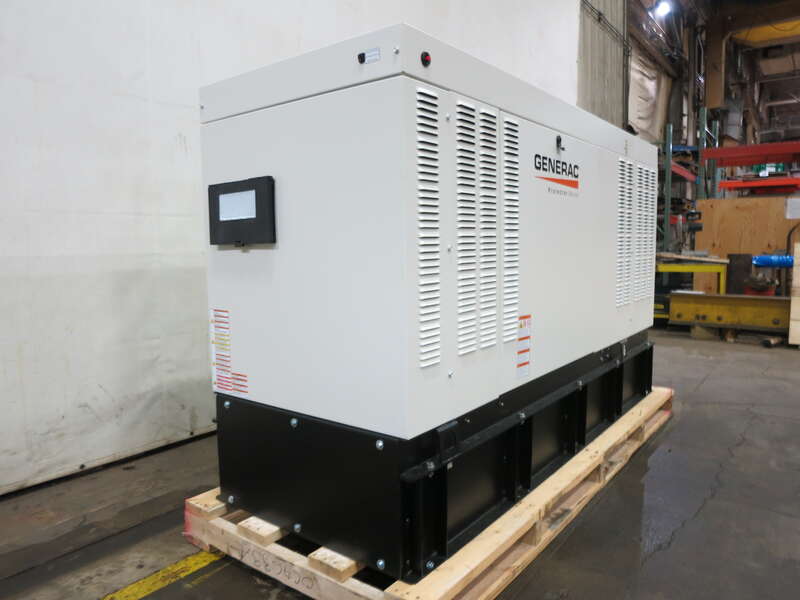
Automatic generators are vital systems that offer reliable emergency electricity during outages. They are typically installed on the exterior of the property, linked to the main wiring and fueled by natural gas, propane, or diesel. Should the power fail, the system recognizes the lack of power and activates within view details seconds. This mechanism requires an automatic transfer switch, which separates the building from the main supply and switches the load to the generator
(Portland Standby Generators)The unit subsequently generates power, feeding electricity to vital loads or the entire facility, based on its size. Typically, these generators have an integrated surveillance feature that guarantees proper functioning and servicing. The generators function for prolonged times, providing a reliable power source until the main grid is back online. Grasping how backup generators work allows residents to recognize their value in boosting electricity safety and lessening outages during unexpected outages
Benefits of Installing a Standby Generator
Dependability is a major benefit of utilizing this type of generator, since it ensures continuous electricity during outages. This crucial capability ensures continuous operation for properties, securing critical items and preserving convenience. Additionally, these generators improve protection by preventing power outages that may result in risky circumstances, such as frozen pipes or medical equipment failures.
Cost-effectiveness is another benefit; while the initial investment may be substantial, the long-term savings from preventing food waste, operational downtime, and urgent maintenance can be remarkable. Furthermore, backup power systems boost the home's worth, positioning them as an desirable characteristic for potential buyers.
The ease of use is also important, as they start up on their own during an outage, removing the necessity for hands-on operation. This seamless operation enables homeowners to maintain their daily routines without hiccups. In conclusion, installing a standby generator offers peace of mind, guaranteeing that power is constantly supplied when critical.
Key Features to Look for in a Standby Generator
In the process of picking a standby generator, several key features should be considered to guarantee peak performance and appropriateness for individual requirements. First, the wattage capacity is crucial; buyers must calculate the necessary power to run critical equipment during an outage. Moreover, the fuel type—whether NG, LP, or diesel—affects efficiency and long-term expenditures.
A further critical component is the automatic transfer mechanism, which enables smooth transition of power and improves security. Durability and build quality also matter; a well-built system can cope with extreme weather.
In addition, how loud it is needs evaluation, as less noisy generators are ideal for home environments. A few units provide auto-start functions, providing convenience during unforeseen blackouts. Lastly, support and coverage details must be examined, providing reliable support and maintenance. When considering these factors, future owners can select a standby generator that aligns with their individual power demands effectively.
Elements to Evaluate Before Purchase
Before committing to a standby generator, customers should thoroughly review multiple critical elements to confirm they arrive at an well-considered conclusion. Portland Standby Generators. First, they must evaluate their energy requirements by figuring out the necessary capacity to operate critical systems during an outage. Secondly, the type of fuel is critical; available types are natural gas, propane, or diesel, each with unique advantages and access factors
Additionally, purchasers must evaluate the generator's power switch mechanism, which allows for smooth energy changeover. Installation details are also important, since certain models might require expert setup or permit acquisition
Service agreements and warranties should not be overlooked, as these can greatly impact how satisfied you are in the long run. To conclude, those considering a purchase must check the level of noise produced, above all if they are located in a housing development. When reviewing these aspects, consumers can select a standby generator that fulfills their specific needs and preferences
Standby Generator Maintenance Guide
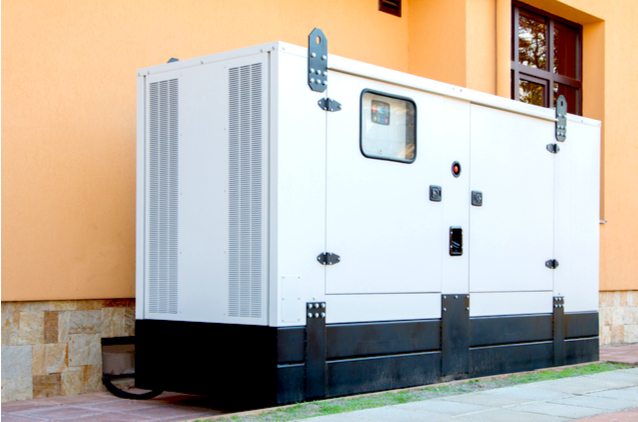
Regular maintenance is essential to ensure optimal functioning and extending the life of the unit. Start by examining the generator's oil levels, and swap out the oil and filter according to the manufacturer's recommendations. Make sure to check the air filter and replace it as necessary to ensure proper air circulation. You should also test the battery and clean any corrosion on terminals to ensure it starts reliably.
Run load tests from time to time to verify the generator manages its maximum load. Furthermore, ensure that no obstructions or leaks exist in the exhaust system. Maintaining a clean, debris-free generator will help prevent overheating and other issues.
As a final step, schedule professional maintenance at least once a year to fix any issues that might arise and perform in-depth inspections. Adhering to these upkeep guidelines will significantly prolong the life of a standby generator, providing peace of mind during electrical failures.
Frequently Asked Questions
What is the Typical Price of Standby Generators?
Standby generators typically cost from $2,000 to $15,000, based on elements like power output, brand, and installation complexity. Additional expenses may include maintenance, permits, and the cost of fuel tanks, influencing the overall investment required.
Is Self-Installation of a Standby Generator Possible?
Installing a standby generator oneself is possible, but you must have knowledge regarding local codes and electrical wiring. Most professionals advise hiring a professional to guarantee safety, adherence to regulations, and optimal functioning of the generator installation.
What Fuels Do Standby Generators Use?
Standby generators commonly run on energy sources such as diesel, natural gas, propane, or gasoline. Portland Standby Generators. The choice of fuel is frequently influenced by the cost, availability, and particular power requirements, influencing the efficiency and performance of the generator
Are There Any Permits Required for Installation?
Yes, permits are often required for the installation of standby generators. Rules differ depending on the area, so it is vital for those installing the unit to speak to the municipal government to guarantee compliance with all relevant codes and requirements.
What is the Maximum Continuous Runtime Continuously?
A standby generator can run continuously for varying durations, typically ranging from 24 to 48 hours, based on the load demands and fuel availability. Consistent servicing provides optimal functioning and extended lifespan during extended operation periods.